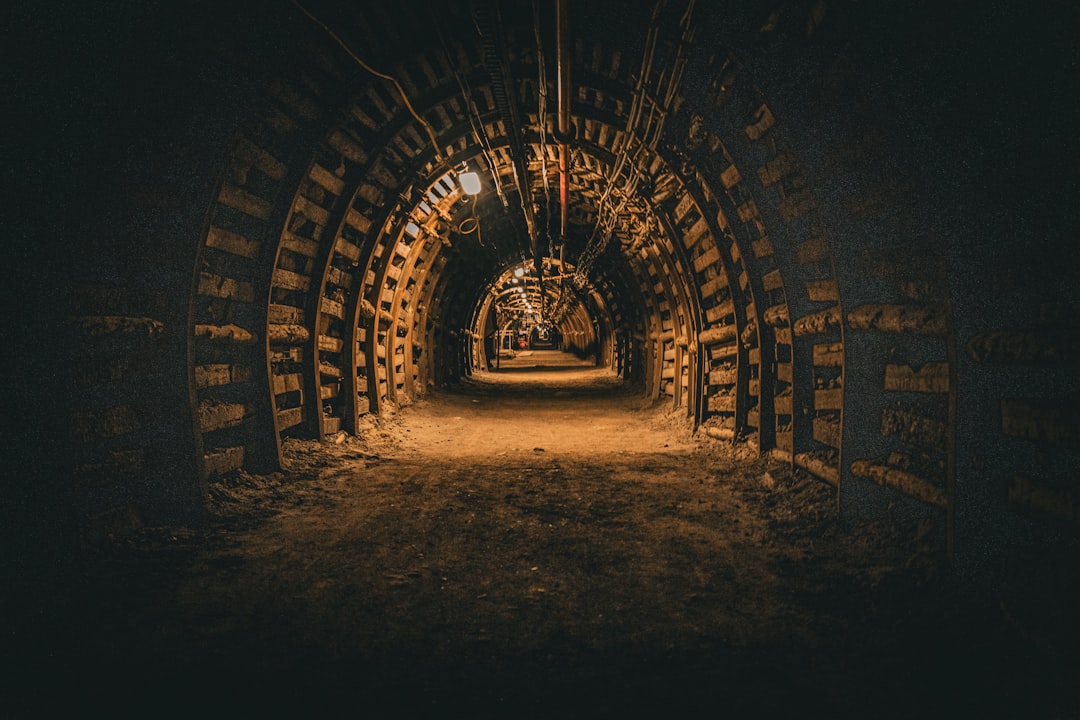
Three children were among the thirteen dead. That fact cuts through the statistics and the policy talk around artisanal mining in Mali. A tunnel flooded at a gold mine in Kangaba, Koulikoro region, on January 29, 2025. A reservoir spill caused it. The water came fast. There was no escape.
The victims were artisanal miners. They worked with simple tools, light machinery, and almost certainly without the safety measures that industrial operations take for granted. That is the norm across much of West Africa. Small-scale mining is a livelihood for millions. It is also a death trap.
Three of those thirteen were children. The report does not give their ages. It does not say if they were working alongside parents or older siblings. It does not need to. The presence of children at an unregulated mine site is not an anomaly. It is a feature of an industry where oversight is weak and desperation is strong.
Artisanal and small-scale mining, or ASM, is a broad category. It covers everything from a man with a shovel to a semi-mechanized operation with a generator and a pump. What these sites share is a lack of formal safety regulation. The report notes that ASM operations often have a customary system of organization — a manager, skilled workers, unskilled laborers. That sounds orderly on paper. In reality, it means no one is accountable when things go wrong. No safety inspector. No emergency plan. No rescue team.
The reservoir spill that caused the flood was not a natural disaster. Reservoirs are built and maintained by people. A spill means something failed — a wall, a gate, a drainage channel. Whether it was neglect, poor construction, or a sudden weather event, the report does not specify. What is clear is that the water found its way into a tunnel where thirteen people were working.
Gold drives a lot of this. Mali is one of Africa’s largest gold producers. Industrial mines get the headlines and the government contracts. But the artisanal sector pulls tons of gold out of the ground every year, much of it untaxed, unrecorded, and unregulated. The miners take the risks. The buyers take the gold. The families take the bodies.
Three children among the dead makes this hard to spin as an unfortunate accident. It was a predictable outcome of a system that treats artisanal miners as expendable. The tools are simple. The organization is loose. The safety measures are minimal. The result is a steady stream of fatalities that rarely make international news.
This time it did. Thirteen dead. Three of them children. A reservoir spill in Kangaba. The event will likely prompt calls for better regulation, more oversight, and tighter safety standards. Those calls have been made before. They will be made again. Whether anything changes depends on whether the people who profit from artisanal gold decide that the lives of miners are worth more than the cost of compliance.