Six people are dead after a Royal Thai Police aircraft went down near Hua Hin Airport on April 25, 2025. The plane, a Viking DHC-6 Twin Otter, was on a test flight for parachuting training. Every person on board was killed.
The crash puts a hard focus on what the Royal Thai Police ask of its people. The force employs between 210,700 and 230,000 officers. That is roughly 17 percent of all civil servants in Thailand, not counting the military or state-owned enterprises. These officers do not just write tickets or work a desk. Their training includes paramilitary drills similar to what the army runs, with law enforcement added on top. Parachuting is part of that. It is a skill meant for search and rescue, for getting into places where roads do not go, for operations that require dropping from the sky.
That training carries risk. The crash near Hua Hin Airport is the price of that reality.
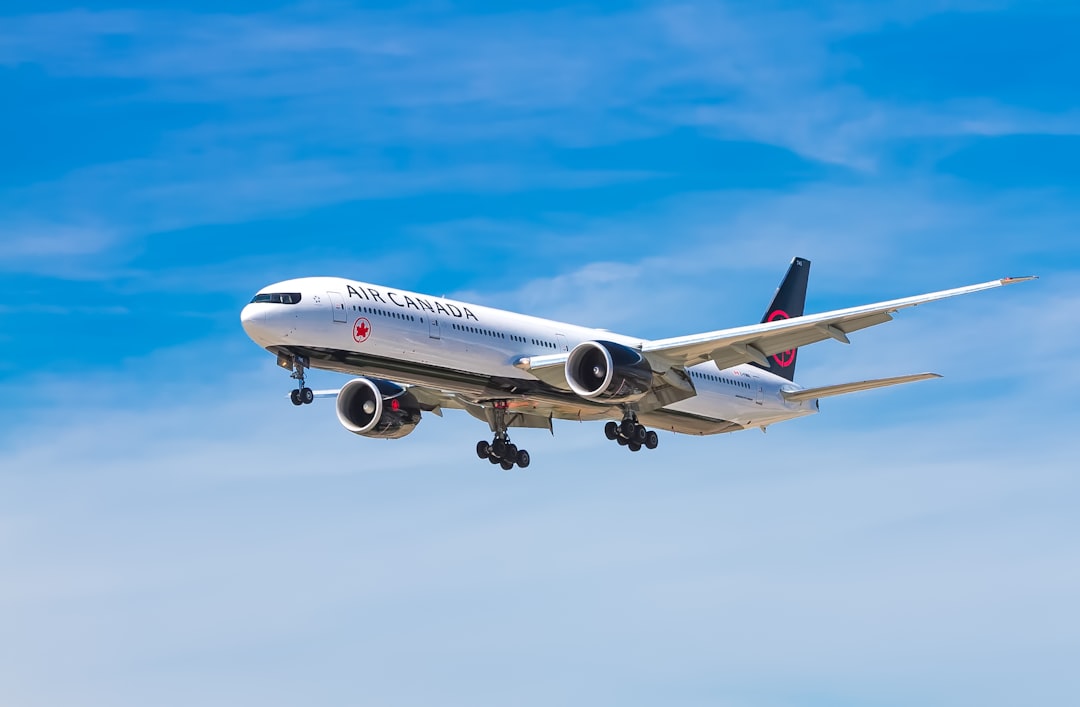
The aircraft itself is no experimental machine. The Viking DHC-6 Twin Otter is a workhorse. It is built for short runways, for rough strips, for the kind of flying that does not always happen between two paved terminals. It is used all over the world for exactly the kind of work the police were doing. A test flight for parachuting training is routine. The plane goes up. The jumpers go out. The plane comes back. On April 25, it did not come back.
The Royal Thai Police will now investigate. They will look at the condition of the aircraft. They will look at the experience of the crew. They will try to understand what went wrong. But the investigation cannot change the fact that six people are gone.
The stakes here are concrete. The Royal Thai Police is a national force. It is led by a national police chief, a position that has been in flux. Kitrat Panphet became acting police chief on March 20, 2024. Torsak Sukvimol’s reinstatement was pending approval from the prime minister as of June 24, 2024. That leadership oversees a force that is expected to do more than patrol streets. The police are expected to fly planes, to jump out of them, to conduct search and rescue missions in difficult terrain. They are expected to train for those missions. Training means test flights. Test flights mean crashes sometimes.
This is not a story about a malfunction. It is not a story about a bad pilot. It is a story about what happens when a large organization, one that puts hundreds of thousands of people into demanding roles, asks some of those people to do something dangerous. The parachuting training exercise was a critical component of police operations. That is a fact from the report. Critical components come with a cost.
The crash is a sobering reminder. But reminders do not bring anyone back. The families of the six will not be comforted by the fact that the Twin Otter is a reliable aircraft. They will not be helped by the knowledge that the police force is large and its training is rigorous. They will live with the fact that a test flight went wrong and their people did not come home.
The investigation will happen. The Royal Thai Police will look into the circumstances. The aircraft’s condition and the crew’s experience will be examined. But the event itself is already complete. Six people are dead. The force has lost six of its own. The parachuting training will continue, because the force needs it. But the next test flight will carry a heavier weight.