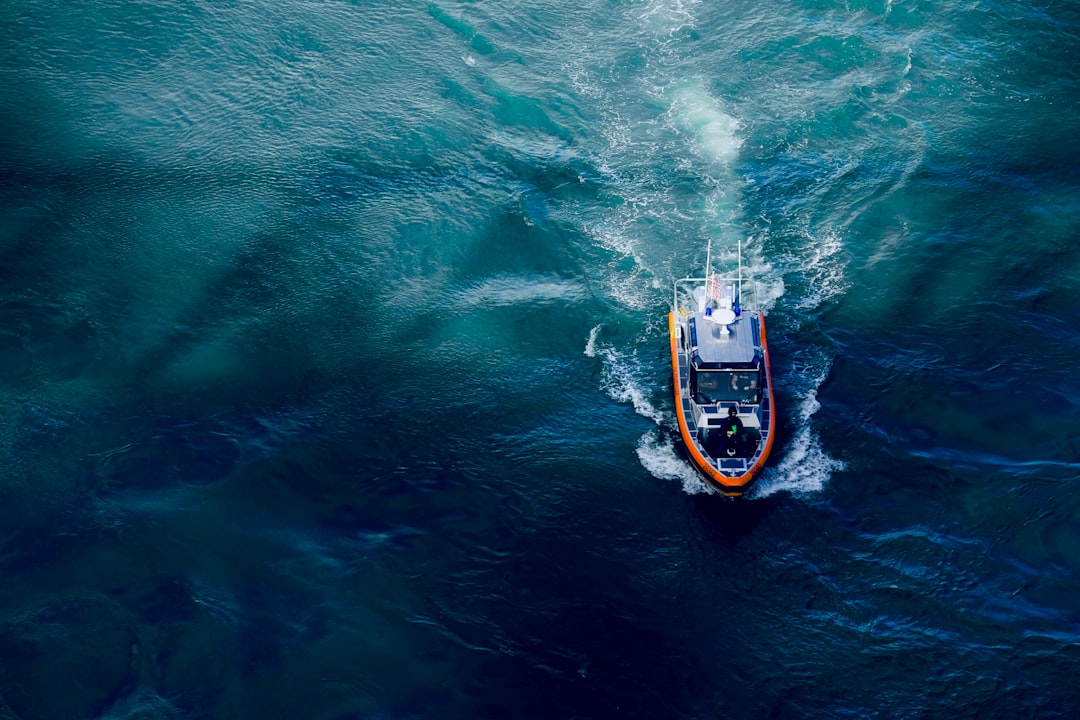
The Balearic Islands have been a crossing point for decades. Geography dictates it. Mallorca sits roughly 170 miles from the Algerian coast, a straight shot across the Mediterranean for boats carrying people who have run out of options. On August 20, 2025, another vessel made that trip. It did not arrive.
The wreck was discovered drifting off Mallorca’s southern coast. One person was dead. Nineteen others were injured. Three of the survivors had serious wounds. The numbers are small in the ledger of Mediterranean drownings, but the pattern is old.
Spain’s Balearic Islands — Mallorca, Menorca, Ibiza, Formentera — are not the main route. That grim title belongs to the Canary Islands, where the Atlantic crossing from West Africa kills hundreds each year. But the Balearic corridor is alive. Boats launch from Algeria, Morocco, and Tunisia. They aim for the Spanish coast. Some hit Mallorca. Some miss everything.
The water temperature in August is warm. That does not make it safe. Overloaded boats, often flimsy inflatables or small fishing vessels, capsize when people shift weight. Engines fail. Fuel runs out. Drifting is common. The wreck found off Mallorca was drifting. By the time authorities reached it, one person had already died.
Mallorca is a holiday destination. Tourists from the Netherlands, Ireland, Germany, and the United Kingdom fill its beaches in August. Palma, the capital, is busy. The contrast is brutal. Sunbathers on one side of the coast. A rescue operation on the other. The island’s economy depends on the tourism that brings those visitors. It also depends, indirectly, on the labor of migrants who work in the hotels and restaurants that serve them. That tension is not new.
The Balearic Islands have been an autonomous region of Spain since 1983. They have their own government. They have their own coast guard. But migration policy is set in Madrid and Brussels. The central government coordinates with Frontex, the European border agency. Rescue at sea is a legal obligation under international maritime law. Nobody disputes that. The question is what happens after the rescue.
Spain’s reception system for migrants is strained. The country took in more than 50,000 migrants by sea in 2024. The Balearic Islands see a fraction of that, but the infrastructure is thin. Shelters fill up. Processing takes time. People wait in limbo. Some are returned to Algeria under bilateral agreements. Others stay, disappear into the informal economy, or try to reach mainland Europe.
The environmental angle is real. The report mentioned pollution and over-tourism. A shipwreck adds diesel, debris, and plastic to the water. The Balearic ecosystem is fragile. Seagrass meadows, which absorb carbon and shelter fish, are damaged by anchors and pollution. A wrecked boat does not help. But the bigger environmental story is the one driving migration. Drought in North Africa. Crop failure. Heat. People move because staying becomes impossible. That is the background that does not make headlines.
Three people are seriously injured. Nineteen are hurt. One is dead. These are facts. The rest is context. The Mediterranean is a graveyard. The International Organization for Migration has recorded over 30,000 migrant deaths in the Mediterranean since 2014. The real number is higher. Many wrecks are never found.
This one was found. It was drifting. It had people on board. Some of them will recover. One will not. The boats will keep coming. The tourists will keep coming. The island will keep turning. That is not cynicism. That is the record.