JAKARTA — EastIndo, the charter airline whose helicopter went down Monday in Kalimantan, holds a category 2 safety rating from Indonesia’s civil aviation authority. That classification allows the airline to keep flying. It also means regulators have found shortcomings in how the company handles safety.
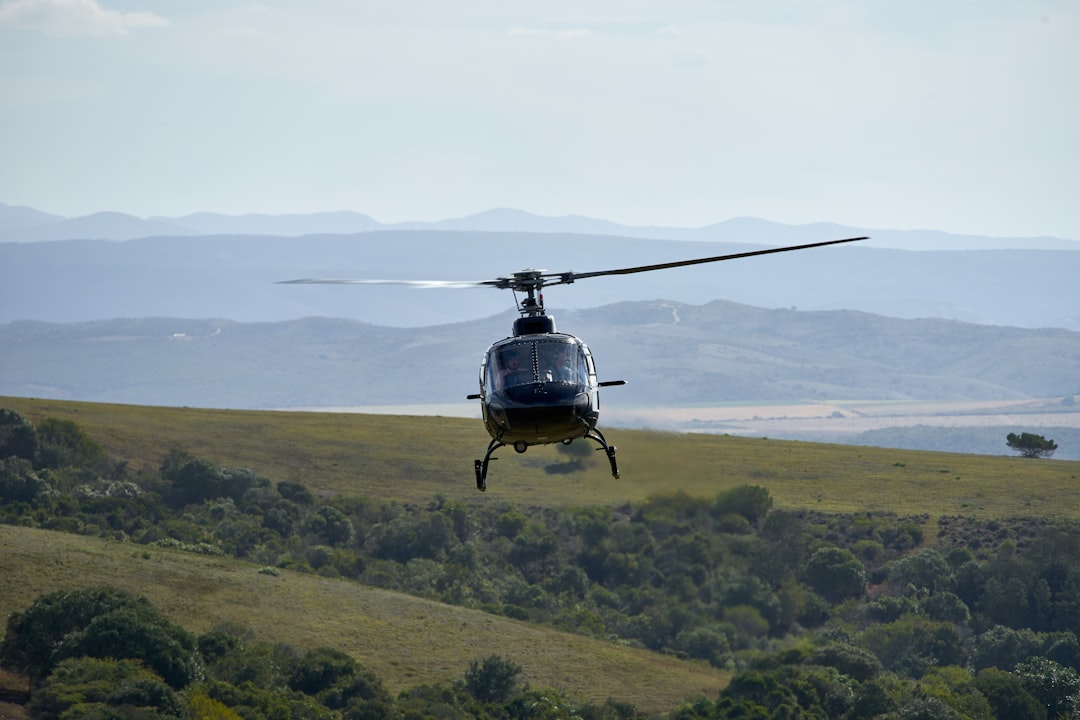
Rescue teams recovered one body and the burnt wreckage of the MBB/Kawasaki BK 117 helicopter on the island of Borneo. The search ended in a somber discovery. The aircraft had been missing since Monday. EastIndo, based in Jakarta, cooperated with authorities throughout the search. Now the investigation turns to what went wrong — and whether the airline’s safety record played a role.
Indonesia’s aviation authority uses a tiered system to rank airlines. Category 2 signals that an operator meets minimum standards but has deficiencies. It is not a grounding order. It is a warning. A category 1 rating means full compliance. EastIndo does not have that. The report from the original coverage states the airline is “currently listed in category 2 by the Indonesian Civil Aviation Authority for airline safety quality.” That is the only public measure of its safety standing.
What those specific shortcomings are has not been detailed. The authority has not released inspection findings. The airline has not commented on its rating. But the category itself puts EastIndo in a group of carriers that regulators watch closely. In a country where air travel often reaches remote, difficult terrain, that matters.
Kalimantan, the Indonesian portion of Borneo, is dense forest and rugged landscape. Helicopters are not a luxury there. They are a necessity. Mining companies, logging operations, and government agencies rely on them to move people and supplies. The terrain makes flying dangerous. It also makes safety procedures critical. A helicopter that goes down in that environment is hard to find. Rescue teams proved that this week. They found the wreckage and one body. The rest of the search effort ended.
The Indonesian government has pushed to improve aviation safety across the country. That effort has been uneven. Some airlines have been banned from flying in European Union airspace. Others have been upgraded. EastIndo sits in the middle — allowed to operate, but flagged.
Investigators will now examine the crash site. They will look at the helicopter’s maintenance records. They will review the pilot’s training and the flight’s planning. They will ask whether the safety shortcomings flagged by the category 2 rating contributed to the accident. That is standard procedure. But the category 2 rating gives the question extra weight.
The recovered wreckage is burnt. The single body recovered is one of multiple people on board. The report did not specify how many passengers or crew were on the helicopter. It did not name any of them. The focus remains on the machine and the company that operated it.
EastIndo is a charter airline. It does not run scheduled routes. It flies when clients hire it. That business model depends on trust. Clients need to believe the aircraft is safe. A category 2 rating does not inspire that. A crash makes it worse.
The aviation industry in Indonesia has grown fast. The number of flights has increased. So has the number of accidents. The government has responded with new regulations and more inspections. But the system still relies on airlines to follow the rules. EastIndo’s category 2 status suggests that, at least in some areas, it has not fully done so.
The investigation will take time. The terrain will slow it down. The burnt state of the wreckage will complicate evidence gathering. But the central question is already clear: Was EastIndo safe enough to fly that helicopter? The category 2 rating says it was not fully up to standard. The crash says something worse.