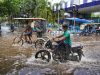
The families of the 46 people killed on the Kampala–Gulu Highway are now left to bury their dead. The crash, which happened on October 22, 2025, involved two buses and other vehicles. The dead were killed instantly, according to reports. The injured are in hospitals. The highway itself remains open, but the shock does not fade.
This is the kind of event that forces a country to look at its roads. The Kampala–Gulu Highway is a critical link between the capital and the northern city of Gulu. It moves people, goods, and services. It drives economic and social development. It also kills people with a regularity that has become a grim feature of Ugandan life. The government has talked about upgrading the road network. The pace of progress is slow. This crash makes the urgency plain.
Rescue efforts are ongoing. The focus is on the injured and the families of the dead. But the investigation is the next act. Ugandan authorities will look at the vehicles. They will look at the drivers. They will look at the road itself. They need to know what failed. Was it the condition of the buses? Was it driver behavior? Was it the state of the highway? Each answer points to a different fix. Each fix requires money, political will, or both.
The frequency of accidents on this highway is not a secret. It has been a known problem for years. The government has worked to upgrade the road network, but the report says the pace is slow. That slowness has a cost. Forty-six people paid it in a single instant on October 22. The injured will pay it in hospital beds and rehabilitation. The families will pay it in funerals and lost income.
Road safety in Uganda is a matter of enforcement and infrastructure. Traffic laws exist. They are not always enforced. Safe driving practices are promoted. They are not always followed. Road maintenance is a government responsibility. It is not always done well. The crash on the Kampala–Gulu Highway is a case study in all of these failures at once.
The investigation will scrutinize the safety protocols in place. That is standard procedure. But the real question is what happens after the report is written. Past accidents on this highway have not led to dramatic change. The body count keeps climbing. The Kampala–Gulu Highway connects two major urban centers. It is vital for the economy. It is also a place where 46 people can die in a single moment. That contradiction is the heart of the story.
For now, the rescue teams are working. The injured are being treated. The dead are being counted. The families are grieving. The government is facing questions. The highway is still there. It will carry more buses tomorrow. It will carry more trucks. It will carry more people who have no choice but to use it. The crash on October 22, 2025, is a tragedy. It is also a warning. Whether anyone heeds it is the open question.