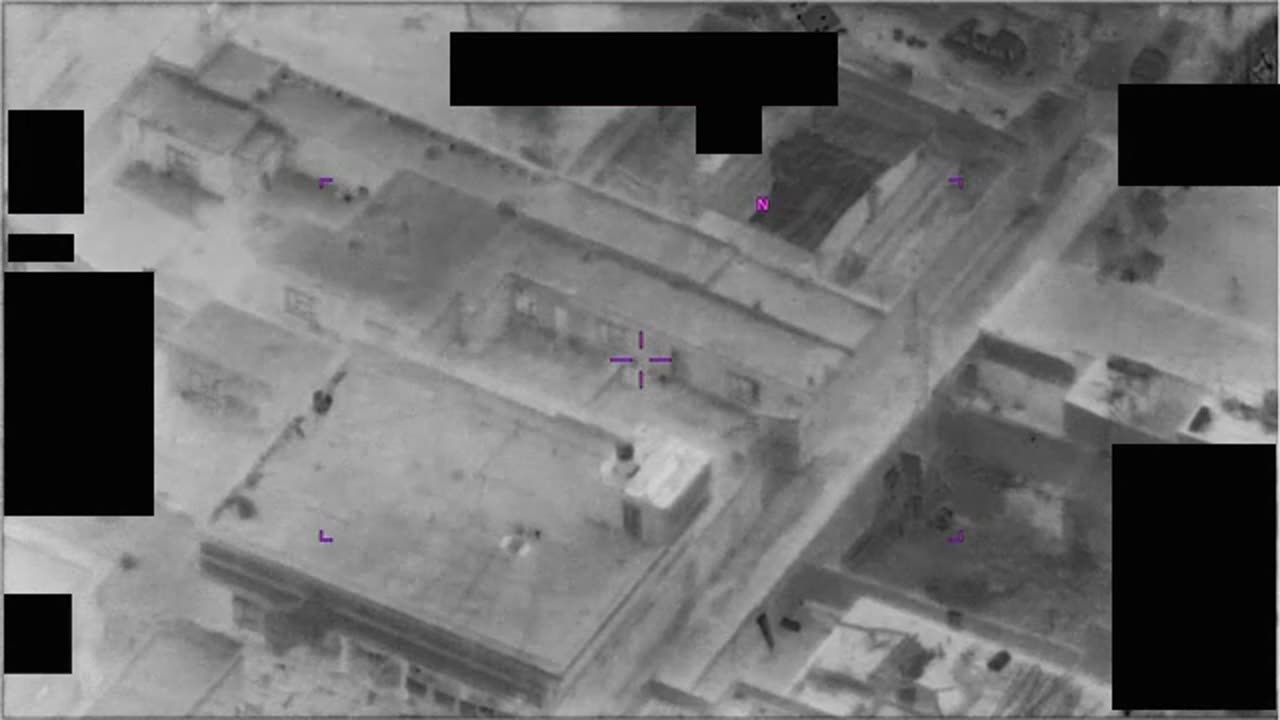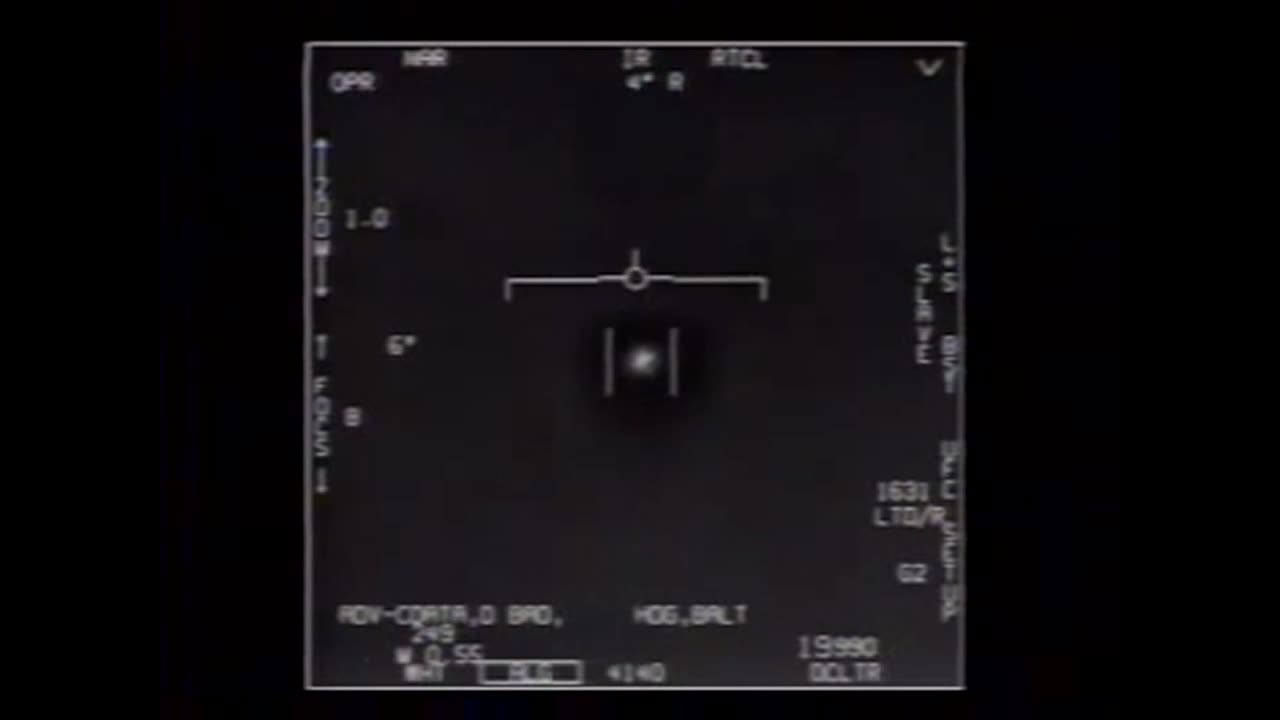
The Department of War’s new PURSUE archive dropped a single, weighty PDF on May 8, 2026. It’s an FBI file, case number 62-HQ-83894. The document runs 34.2 megabytes. The official description calls it “minimally redacted.” That’s the key detail. Previous versions of this file, sitting in the FBI’s public vault, were chopped up. Pages missing. Black marker everywhere. This release is different.
The file opens with a standard U.S. Department of Justice form, FD-245.1. Dated January 4, 1999. It’s a field office cover sheet, the kind that sits on top of a stack of paper in a filing cabinet. Checkboxes are ticked: “FOIPA,” “DO NOT DESTROY,” “NCIC,” “Other.” No one ticked “Armed and Dangerous.” No one ticked “Suicidal.” The form lists “See also Nos.” and then a list of names. It feels bureaucratic, mundane, until you remember what this file actually contains.
The bureau’s investigation into Unidentified Flying Objects ran from the summer of 1947 through July 1968. Twenty-one years. This single file, 62-HQ-83894, holds a slice of that work. The official description says it includes eyewitness testimonies, public reports, and investigative records. It mentions photographic evidence from Oak Ridge, Tennessee. Oak Ridge was a nuclear weapons production site. That is concrete. That is specific. That is a place where people might have seen something they could not explain.
The file also contains technical proposals regarding potential propulsion systems. Not just sightings. Not just lights in the sky. Someone, somewhere, was writing up proposals about how these things might move. The archive includes convention programs and researcher accounts. It holds extensive media coverage from the period. The FBI clipped newspapers. They saved pamphlets. They collected what people said.
The Department of War’s statement is careful. It says the file was “previously partially posted on the FBI’s public vault.” That version had more redactions. Missing pages. The current release is “the complete case file with several newly declassified pages and only minor redactions.” The difference matters. A partially posted file is a tease. A complete file, even with minor redactions, is a document you can actually read.
Why now? The PURSUE archive went live. The government portal is at war.gov. Anyone can download the PDF. The file is titled “65_HS1-834228961_62-HQ-83894_SUB_A.” That string of numbers and letters is the government’s way of saying “this is the thing.” The original document is 34.2 megabytes. The PDF viewer in the browser won’t open it. You have to download it. That is a small technical friction, but it means the full weight of the file is sitting on your hard drive, not just a preview.
The content spans from 1947 to 1968. That is the heart of the early UFO era. The summer of 1947 is when Kenneth Arnold reported his flying saucers near Mount Rainier. The file opens right there. It closes in July 1968, just a year before the Apollo 11 moon landing. The bureau was still collecting reports, still filing paperwork, still ticking boxes on cover sheets.
This is not a single smoking gun. It is a stack of paper. But it is a stack of paper the government previously kept partly hidden. The new release peels back some of that black marker. The “minimally redacted” description is the headline. The absence of redactions is the story. What was once blacked out is now visible. What was missing is now present. The file is complete. The reader can decide what it means.