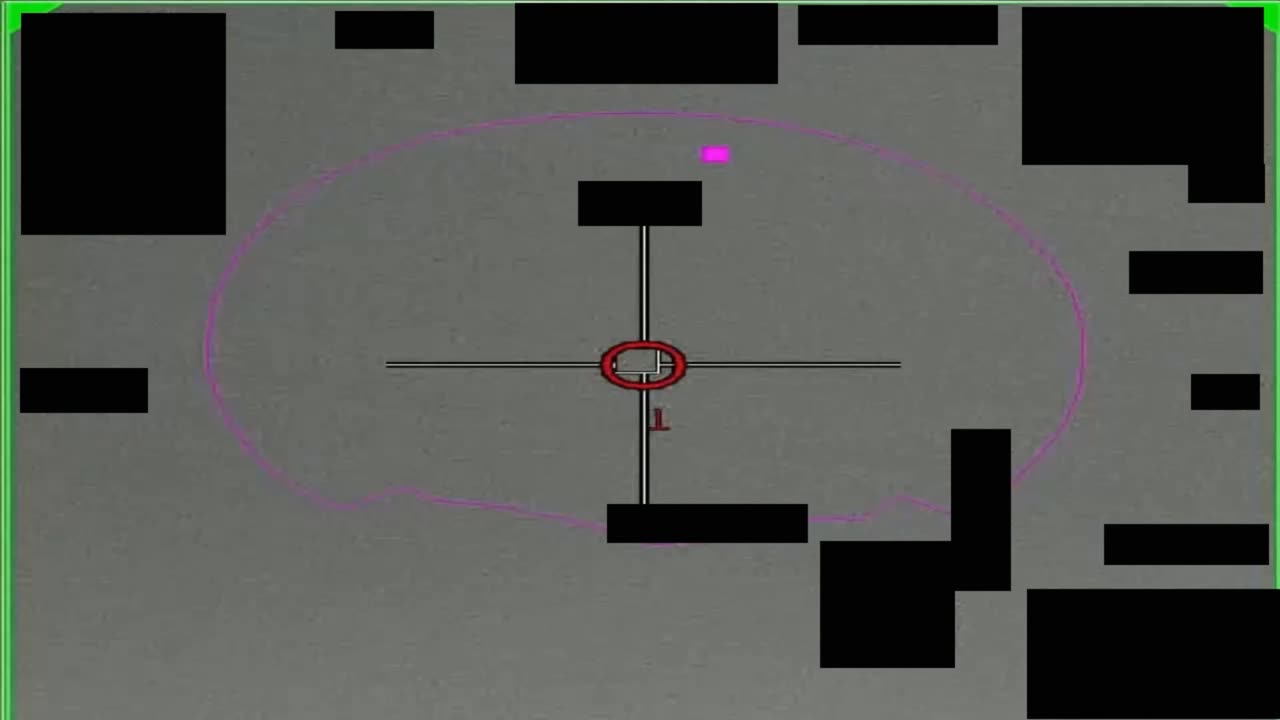
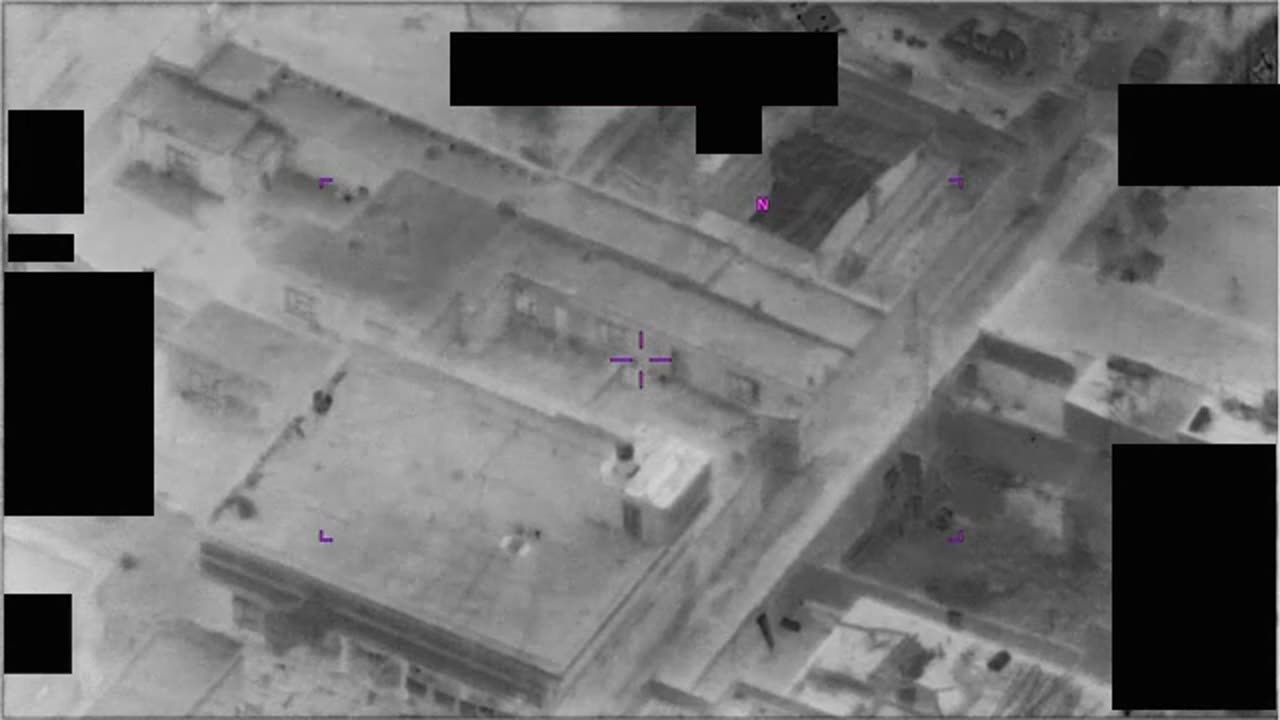
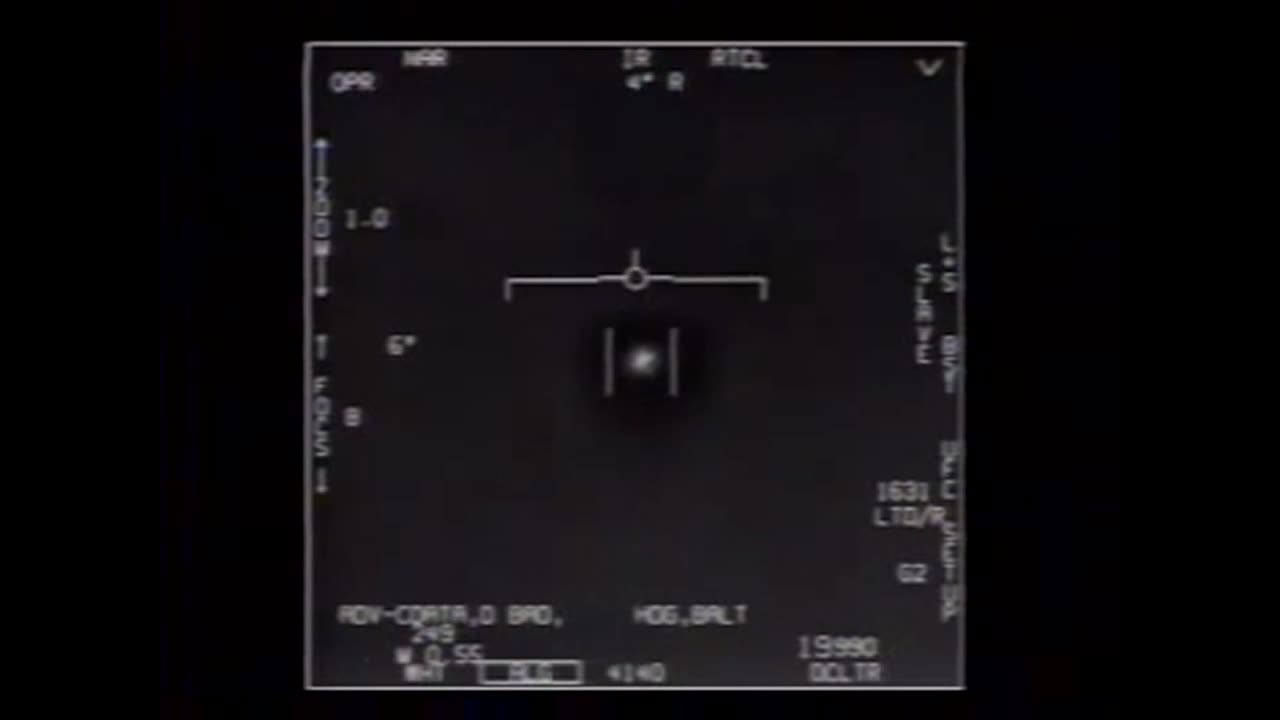
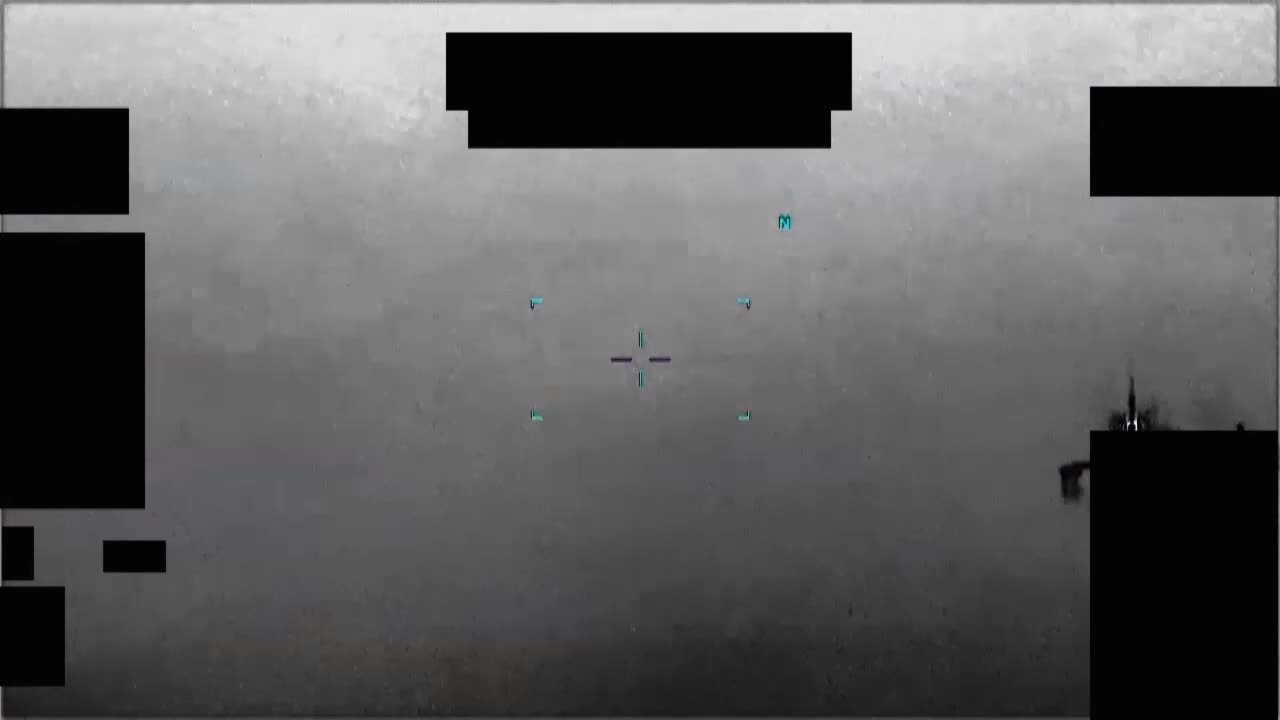
The Department of War’s own description of a 2022 UAP incident in the Middle East reads like a study in bureaucratic caution. Released on May 8, 2026, under the PURSUE archive, the document—DoW-UAP-PR19—contains a five-second infrared video clip and a mission report. The official narrative calls the object a “possible missile.” That word—possible—does a lot of work.
The video, taken from a U.S. military platform’s infrared sensor, shows an “area of contrast” moving left to right across the bottom third of the frame at the two-second mark. That is the entire visual evidence. The Department of War then adds a disclaimer that the description “should not interpret any part of this description as reflecting an analytical judgment, investigative conclusion, or factual determination regarding the described event’s validity, nature, or significance.”
So the government released footage of something. It says it might be a missile. It also says it is not saying that.
The mission report, classified SECRET and releasable to the USA and FVEY partners, came from U.S. Central Command. It was submitted to the All-domain Anomaly Resolution Office (AARO), the Pentagon’s office for investigating unexplained objects in air, space, and water. The report notes four other objects in the same area. Those were described as “possible birds.”
This is not a story of little green men or exotic technology. It is a story of how the military processes ambiguity. A five-second clip. A sensor blip. A pilot or analyst filing a report that says, in effect, we saw something, we do not know what it was, here is the tape. The system then labels it an “unresolved” UAP report. It stays unresolved.
The timing matters. May 2022. The Middle East. U.S. Central Command. These are not neutral coordinates. The region is crowded with drones, missiles, aircraft, and birds. The report’s own language reflects that reality. It reaches for the most mundane explanation first—a missile—but cannot commit to it. It hedges. It documents the uncertainty rather than resolving it.
That is the close read here. The document’s structure tells you as much as its content. The video is five seconds. The mission report is attached as DoW-UAP-D10. The whole package was declassified four years after the event. And the official description goes out of its way to say, twice, that this is not a conclusion. It is a record of an observation, nothing more.
For anyone following the UAP debate, this is the texture of the data the government actually releases. Not revelations. Not confirmations. Files with cautionary labels. The PURSUE archive, which the Department of War runs, is designed to make these reports public. It is a transparency effort. But transparency does not always mean clarity. Sometimes it means a five-second infrared clip and a note that says, we are not sure.
The report does not name the platform that carried the sensor. It does not name the crew. It does not name the analyst who wrote “possible missile.” It gives the date, the region, the classification level, and the archive number. That is the skeleton. The flesh is the word “possible,” repeated. That word is the whole story.