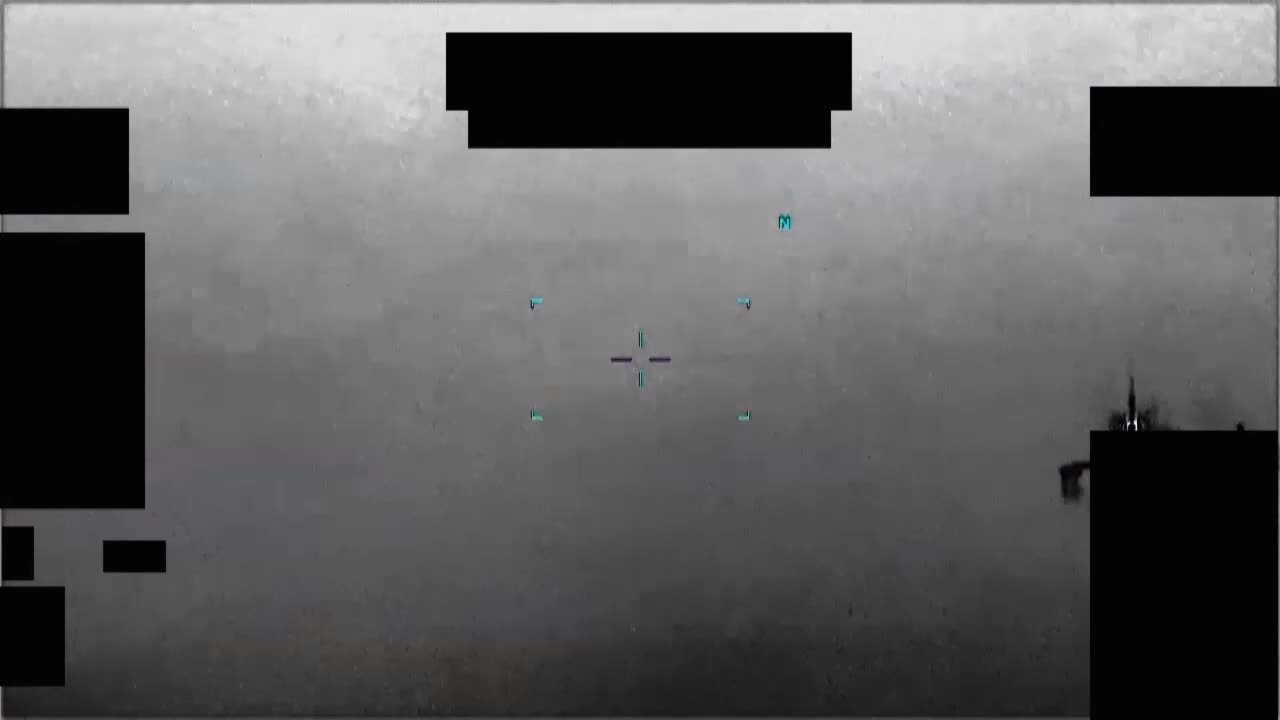
Iran Shoots Down Alleged Israeli Drone Over Hormozgan Province
TEHRAN, May 24, 2026 – The Iranian military shot down what it described as an Israeli surveillance drone over the southern Hormozgan province on Sunday, according to a statement from the Armed Forces of the Islamic Republic of Iran. The incident marks the latest escalation in the ongoing shadow conflict between Iran and Israel, with regional tensions remaining high.
The drone was intercepted by Iranian air defense units near the port city of Bandar Abbas, a strategic area along the Strait of Hormuz, through which about one-fifth of the world’s oil passes. “An Israeli-made surveillance drone, which had violated Iranian airspace from the Persian Gulf coast, was targeted and destroyed by the Air Defense Force of the Islamic Republic of Iran Army,” the military said in a brief statement carried by state media.
Iranian officials did not provide specific details on the drone’s model or its payload, nor did they release any wreckage images. The military claimed the drone was attempting to gather intelligence on military installations in the province. Israel has not commented on the incident. The Israeli Defense Forces typically maintain a policy of not confirming or denying operations abroad.
Hormozgan province hosts key Iranian naval and missile facilities, including the Bandar Abbas naval base and underground missile storage sites. The region has been a focal point of past confrontations. In 2019, Iran shot down a U.S. RQ-4A Global Hawk surveillance drone over the same area, an act that brought Washington and Tehran to the brink of direct military conflict.
Sunday’s shootdown comes amid a broader pattern of Israeli covert operations inside Iran. Over the past several years, Israeli intelligence has been linked to a series of sabotage attacks on Iranian nuclear and military sites, as well as the assassination of nuclear scientists. Iran has repeatedly accused Israel of operating drones from bases in neighboring countries, including Iraq and Azerbaijan.
The United States, a key ally of Israel, has not issued an official response to the incident. The Biden administration has maintained a policy of diplomatic engagement with Iran on the nuclear file, while also supporting Israel’s right to self-defense. “We are aware of the reports and are consulting with our Israeli partners,” a State Department spokesperson said on condition of anonymity. “We urge all parties to avoid actions that could escalate the situation further.”
The European Union and the United Kingdom have also called for restraint. “Any violation of national sovereignty is unacceptable,” an EU foreign policy spokesperson said in a statement. “We call on Iran to adhere to international law and for Israel to provide clarification.” The UK Foreign Office echoed that sentiment, urging both sides to de-escalate.
Taiwan, Japan, and the Philippines—all key U.S. allies in the Indo-Pacific—have not commented directly on the shootdown. However, analysts note that the incident underscores the volatility of the Middle East, a region from which much of East Asia’s oil supply transits. “Any disruption to the Strait of Hormuz has immediate economic consequences for Japan, Taiwan, and the Philippines,” said Dr. Mark Fitzpatrick, a nonproliferation expert at the International Institute for Strategic Studies. “These allies are watching closely.”
Iran’s drone program has expanded significantly in recent years. The Islamic Revolutionary Guard Corps operates a fleet of domestically built unmanned aerial vehicles, including the Shahed series, which has been exported to Russia for use in the war in Ukraine. Tehran has also accused Israel of using drones to attack Iranian-backed forces in Syria and Iraq.
The timing of the incident is notable. It comes just days after the International Atomic Energy Agency reported that Iran had increased its stockpile of enriched uranium to levels approaching weapons-grade, a development that has alarmed Western powers. Negotiations to revive the 2015 nuclear deal have been stalled since late 2022.
Iran’s military has warned that it will respond “decisively” to any further violations of its airspace. “The armed forces are fully prepared to defend the country’s borders against any threat,” said Brigadier General Ali Reza Sabahifard, commander of the Iranian Air Defense Force, in a televised address. “This is a clear message to the Zionist regime and its supporters.”
Israel has not formally acknowledged the loss of the drone. In past incidents, such as the downing of an Israeli drone over Lebanon in 2022, Jerusalem has declined to confirm operational details. Israeli Prime Minister Benjamin Netanyahu has previously stated that Israel will “operate anywhere, anytime” to prevent Iran from obtaining nuclear weapons.
The United Nations has called for a de-escalation. “We are following the situation with concern,” a UN spokesperson said. “Any military incident in the Gulf region risks a wider conflagration. We urge all parties to exercise maximum restraint.”
The Strait of Hormuz remains a flashpoint. Iranian officials have periodically threatened to close the waterway in response to sanctions or military pressure. The U.S. Navy’s Fifth Fleet, based in Bahrain, maintains a constant presence in the region to ensure freedom of navigation. The shootdown is likely to reinforce calls from Gulf Arab states for enhanced air defense cooperation with Washington.
As of Sunday evening, no further incidents have been reported. The Iranian military said it would release a technical analysis of the drone’s debris in the coming days. The international community waits to see whether this will be a isolated event or the start of a new cycle of retaliation.